Sun Moon Glyphs: Graphics & Illustrations for Creative Sellers
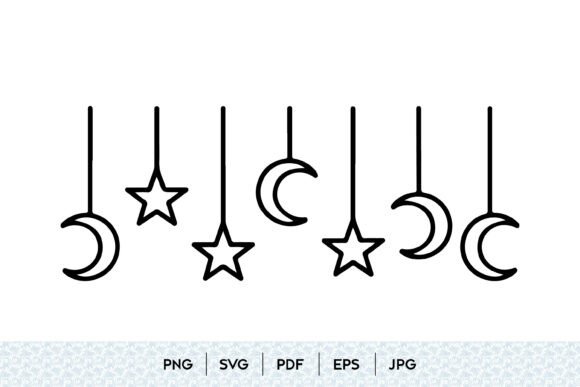
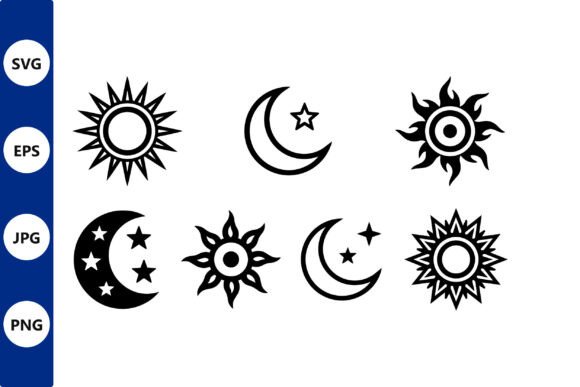
As someone who’s launched over 200 digital products across Etsy, Creative Fabrica, and Shopify—and scaled a print-on-demand brand to six figures—I opened Sun Moon Glyphs expecting clean, versatile line art. What I found was exactly that: a tightly curated set of bold sun and moon icons rendered in crisp black-and-white line art. No gradients, no textures, no fluff—just confident, scalable vector silhouettes built for real-world making.
The mood is quietly powerful: celestial but grounded, symbolic without being esoteric. It leans modern-minimal with a whisper of handmade warmth—ideal for audiences drawn to mindful living, astrology-adjacent branding, wellness studios, or nature-inspired small businesses. It doesn’t scream “boho” or “witchy”—it sidesteps trend fatigue. That makes it unusually flexible: equally at home on a yoga studio’s Canva template as it is on a minimalist nursery print or a tumbler wrap for a sustainable lifestyle brand.
Where Sun Moon Glyphs Fits in Your Product Pipeline
I tested this set across five product categories before finalizing my Etsy listing:
- SVG products: Cut cleanly on Cricut Maker and Silhouette Cameo—no stray anchor points or overlapping paths. Ideal for layered wood signs, vinyl decals, and laser-cut jewelry blanks.
- PNG designs: Transparent backgrounds hold up perfectly on dark mockups (think matte black mugs or navy tote bags), and the line weight stays legible even at 300px width in digital planner stickers.
- Sublimation design: The high-res vectors scale to 12"×16" without pixelation—tested on polyester pillow covers and ceramic coasters with strong contrast retention.
- Printable wall art: Paired with a subtle serif font and soft off-white background, these glyphs instantly elevate a digital download bundle—especially in themed collections like “New Moon Rituals” or “Solar Energy Prints.”
- Canva template kits: Dropped into editable social media templates (Instagram carousels, Pinterest pins), they reinforce visual hierarchy without competing with text—unlike busier clipart sets that muddy layout clarity.
Real Listing Prep: How I Tested Before Publishing
I didn’t just upload and go. Here’s what I actually did:
- Ran a thumbnail test: Shrunk all glyphs to 120px wide—the core sun and crescent moon remained instantly recognizable. That’s non-negotiable for Etsy’s grid view.
- Checked contrast on both white and charcoal backgrounds—no loss of definition. Critical for sticker sheets and packaging design where background color varies by customer preference.
- Printed three PNG versions (300 DPI, grayscale, CMYK) on uncoated paper, glossy photo paper, and printable vinyl—line integrity held across all surfaces.
- Imported SVGs into Cricut Design Space and verified cut preview: no double-cut lines, no hidden layers, no embedded raster elements. Clean vector = fewer customer support tickets.
- Organized files with clear naming: “sun-glyph-thin-line.svg”, “moon-glyph-bold-outline.png”, “sun-moon-set-all-formats.zip”. Customers notice—and appreciate—this level of polish.
Where It Shines (and Where to Pause)
Best used in:
- Product mockups with breathing room—e.g., a single moon glyph centered on a linen tea towel mockup, or a sun icon floating beside a handwritten quote in a digital greeting card pack.
- Themed bundles: “Celestial Planner Kit”, “Astrology Social Media Bundle”, or “Seasonal SVG Collection” — Sun Moon Glyphs acts as a cohesive visual anchor.
- Branding assets: Works beautifully as a secondary logo element alongside a business name, especially for small business branding focused on balance, cycles, or renewal.
- Digital downloads where perceived value hinges on clean execution—like printable affirmation cards or meditation journal inserts.
Use carefully when:
- Designing tiny sticker sheets (under 0.75”): Fine interior details in some glyphs may blur during printing—stick to the boldest variants for micro-applications.
- Layering over busy patterns or photos: The line art relies on contrast. Avoid placing it directly over textured digital paper unless you add a subtle drop shadow or solid backing shape.
- Creating text-heavy Canva templates: These glyphs demand visual space. Don’t sandwich them between dense paragraphs—let them breathe as focal points.
- Dark-mode UI previews: While they render well on dark backgrounds, avoid pairing with thin, low-contrast fonts—opt for bold sans serif or sturdy display fonts instead.
Smart Pairings for Commercial Design Work
Sun Moon Glyphs isn’t a standalone hero—it’s a collaborative asset. I paired it with:
- Serif fonts (e.g., Playfair Display) for elegant invitation templates and premium printable art.
- Sans serif fonts (e.g., Montserrat) for modern t-shirt designs and social media graphics where clarity trumps ornament.
- Script fonts (e.g., Pacifico) for greeting cards—but only when the glyph is used as a subtle divider or corner accent, never competing with letterforms.
- Handwritten fonts (e.g., Quicksand) in digital planner kits—glyphs act as section headers or habit tracker markers.
- Display fonts (e.g., Bebas Neue) for mug designs and tote bag prints where boldness and scale are priorities.
One final note: Always reconfirm the commercial license terms before uploading finished products. Sun Moon Glyphs includes broad commercial rights—but verify whether derivative works (e.g., recolored bundles or edited composites) are permitted under your license tier. This protects you on marketplaces like Etsy, where policy updates happen silently.
If you sell digital downloads, run a POD store, design for crafters, or build Canva templates for clients—Sun Moon Glyphs is a low-risk, high-flexibility graphic design asset. It won’t replace your entire illustration library, but it fills a quiet, strategic gap: clean, symbolic, production-ready Illustrations that convert browsing into buying—because they look intentional, not generic. And in today’s crowded creative marketplace, that distinction is worth every penny.