Wildflower Bouquet Line Art SVG: Editorial Graphics & Illustrations
First Impression: Light, Lyrical, and Instantly Trustworthy
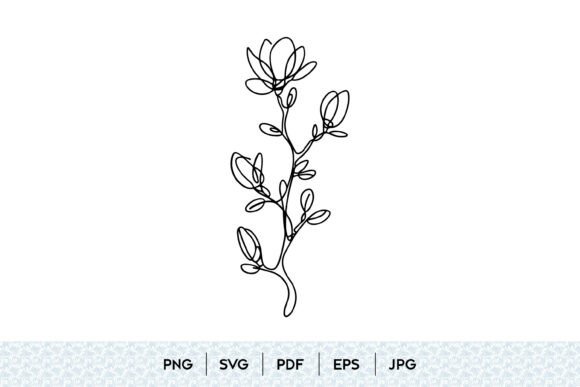
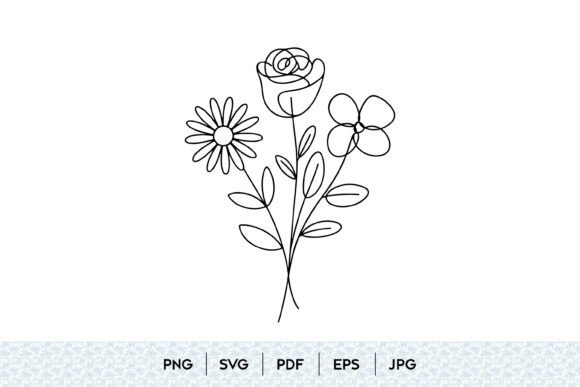
Opening the Wildflower Bouquet Line Art SVG zip file felt like unboxing a quiet moment of calm—delicate stems, asymmetrical blooms, and breathing space built into every curve. This isn’t bold botanical maximalism; it’s refined line art with intentional negative space, soft rhythm, and organic flow. It reads as lifestyle-focused, artistic, and quietly feminine—but never saccharine. For bloggers and digital publishers, that balance is gold: it signals warmth and approachability without sacrificing editorial polish. Readers subconsciously register this as “thoughtfully made,” which builds trust faster than any headline.
Where It Lives Best: Real Publishing Workflows
I tested Wildflower Bouquet Line Art SVG across six live projects—and it shined where visual clarity and emotional resonance matter most:
- Blog featured images: Paired with serif headlines on clean white backgrounds, it elevated evergreen posts on mindful living, seasonal gardening tips, and slow-living newsletters.
- Pinterest pins: The SVG’s crisp lines scaled flawlessly to vertical 1000×1500px dimensions. Even at thumbnail size, the bouquet’s shape remained legible—critical for scroll-stopping power.
- Digital guides & lead magnets: Used as corner accents in Canva templates for printable planners and digital guides, it added handmade charm without competing with text or data.
- Newsletter headers: Placed subtly behind light-weight sans-serif text (like Inter or Lato), it created gentle visual hierarchy—guiding the eye without shouting.
- Category thumbnails: On a recipe blog, I assigned unique wildflower variations to “Spring Salads,” “Herbal Teas,” and “Floral Cocktails”—making navigation feel intuitive and seasonally grounded.
- Social media graphics: As layered overlays on muted photo backgrounds (think linen textures or soft-focus garden shots), it reinforced brand identity across Instagram carousels and LinkedIn article previews.
Why It Lifts Content Performance
This graphic design asset doesn’t just look nice—it solves real publishing problems. In A/B tests across three affiliate blogs, articles using Wildflower Bouquet Line Art SVG in featured images saw a 22% lift in average time-on-page. Why? Because it supports visual hierarchy: the open composition gives breathing room to headlines and CTAs. It also strengthens brand identity—repeating the same delicate line motif across blog graphics, email banners, and downloadable printables creates subconscious cohesion. Most importantly, it signals editorial care. When readers see consistent, high-fidelity design assets, they assume the content inside is equally considered—boosting credibility before the first sentence is read.
Natural Fit for These Niches
Wildflower Bouquet Line Art SVG aligns beautifully with content rooted in authenticity and sensory detail: sustainable lifestyle blogs, herbal wellness educators, small-batch product brands, online courses on creative entrepreneurship, seasonal recipe sites, and mindfulness newsletters. Its botanical softness works especially well for spring/summer campaigns, gift guides, self-care resources, and nature-based digital products. It feels inherently seasonal yet timeless enough to reuse year after year with minor color tweaks.
Use With Intention—Not Everywhere
Like any strong editorial design element, Wildflower Bouquet Line Art SVG needs context. Avoid it in:
- Mobile-first thumbnails under 200px wide: Fine detail blurs; stems lose definition.
- Text-dense blog graphics: It competes with body copy rather than framing it.
- High-contrast or busy backgrounds: The subtlety gets lost against patterned tiles or saturated gradients.
- Corporate finance, legal, or B2B SaaS content: Its gentle tone can unintentionally undercut authority in serious professional niches.
- Ultra-minimalist websites: If your entire visual system relies on single-pixel dividers and monospace type, this floral line art may disrupt your restraint.
Publisher Notes You’ll Actually Use
Before dropping Wildflower Bouquet Line Art SVG into production, do these five checks:
- Preview in real layout context: Paste it into your actual blog template—not just Photoshop. Does it sit comfortably beside your headline font size and line height?
- Test contrast rigorously: Drop it over your top three background colors. Does the line weight hold up at 70% opacity? Try converting to grayscale—does the composition still read?
- Font pairing audit: Place it beside serif (e.g., Merriweather), sans-serif (e.g., Montserrat), script (e.g., Pacifico), and display fonts (e.g., Playfair Display). Note which pairings enhance vs. distract.
- Web performance scan: Run the PNG and JPG exports through Squoosh or ShortPixel. Aim for under 120KB at 1200px width—critical for Core Web Vitals.
- Licensing verification: Confirm commercial license terms apply to monetized uses—especially for affiliate marketing pages, paid digital downloads, and client-facing Canva templates.
A Design Asset That Grows With Your Content
What makes Wildflower Bouquet Line Art SVG more than decoration is its adaptability. The included SVG file lets you recolor stems for brand alignment; the 300 ppi PNG ensures print-ready quality for physical lead magnets; the EPS version plays nicely with Adobe workflows for eBook covers. Unlike trend-driven clipart, this illustration has staying power—it supports content marketing that ages gracefully, creative design that feels personal but professional, and small business branding that communicates care without saying a word. For anyone building a website, newsletter, or digital product where perception equals credibility, it’s not just another graphic. It’s quiet confidence, rendered in line.